ikigai is your reason to wake up each morning — the small or big purpose that adds meaning to life. Our analysis shows that people in Okinawa, especially in the village of Ogimi, live longer because their days include simple activities, close community ties, and a clear sense of direction. Many readers know the popular ikigai diagram that blends what you love, what you’re good at, what the world needs, and what you earn from, but here we’ll focus on the ten golden rules that shape ikigai in real life.
What Are the 10 Rules of Ikigai?
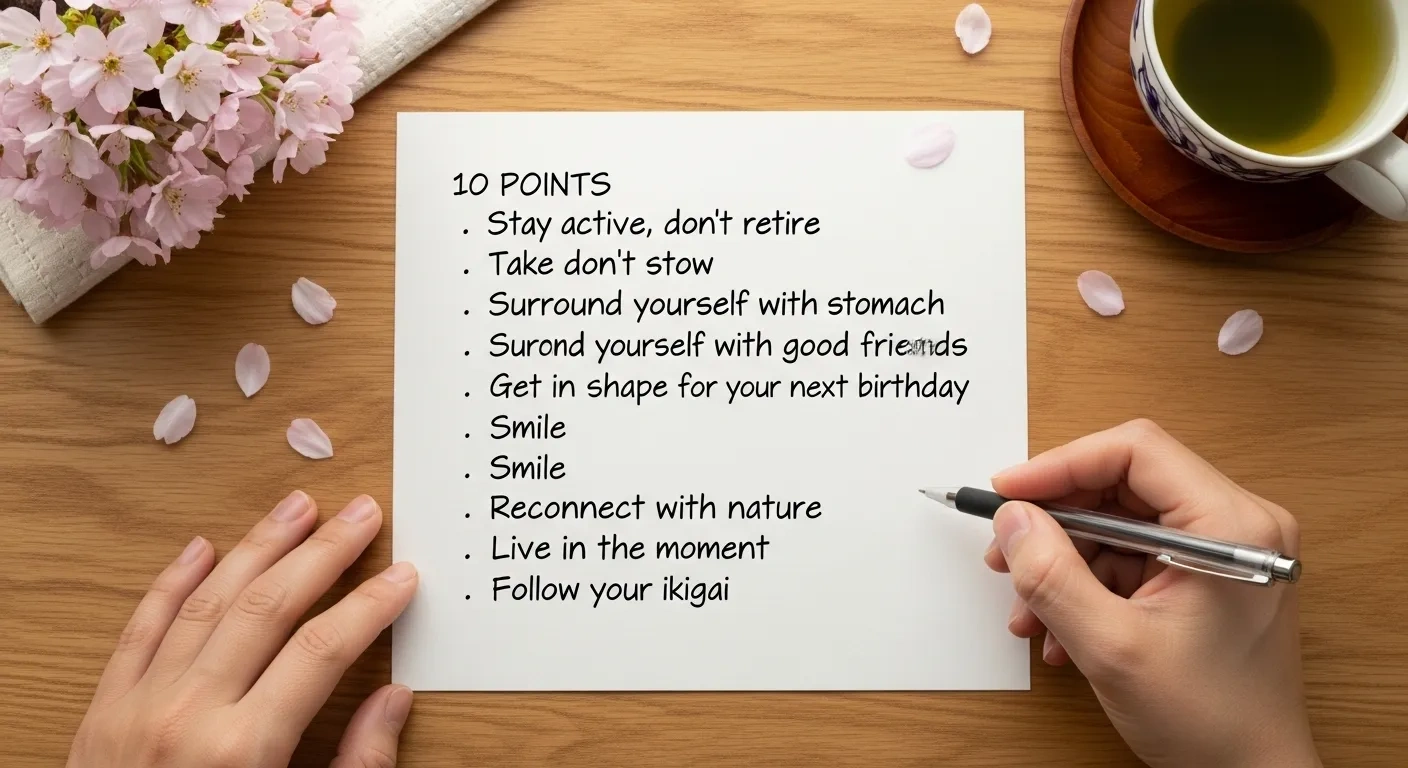
The 10 rules of ikigai are simple daily habits that the elders of Okinawa use to stay active, kind, and connected. These habits also guide anyone who wants to learn how to find your ikigai and understand what brings steady purpose to everyday life.
| ikigai Rules | ikigai Rules |
|---|---|
| Stay active; don’t retire. | Smile. |
| Take it slow. | Reconnect with nature. |
| Don’t fill your stomach. | Give thanks. |
| Surround yourself with good friends. | Live in the moment. |
| Get in shape for your next birthday. | Follow your ikigai. |
These Japanese ikigai rules come from the book ikigai: The Japanese Secret to a Long and Happy Life and from the daily lives of people in Ogimi, Japan.
ikigai in One Look – Diagram, PDF, and Poster
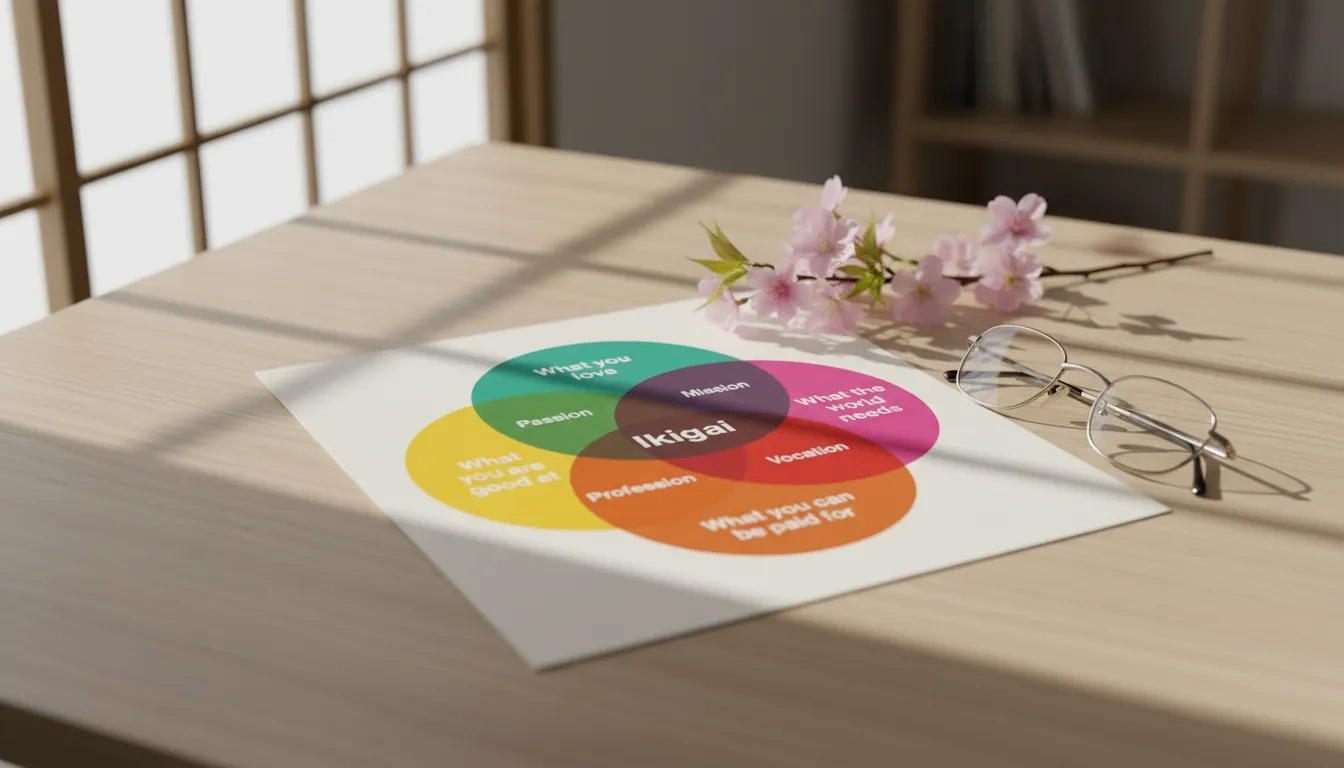
The Classic Ikigai Diagram (and Why It’s Only One View)
The classic ikigai diagram shows four simple circles: what you love, what you’re good at, what the world needs, and what you can be paid for. Many people use this diagram to understand purpose because it blends passion, skills, mission, and work. Based on our findings, this view is helpful, but it doesn’t show the whole picture of ikigai in Japan.
Japanese ikigai is often smaller and more personal. It grows in daily moments, warm routines, people, community, and time shared with others. Some also explore kokorozashi, a deeper mission that guides long-term choices. Our analysis shows that this broader perspective feels more natural to the elders of Okinawa, who view ikigai in simple activities as much as in grand goals.
Free 10 Rules of ikigai PDF
You can save a one-page PDF with the 10 rules of ikigai for quick daily guidance. Many readers keep it on a wall, inside a journal, or next to their work desk to stay mindful of the habits that support purpose and calm.
Your download link here: 10 Rules of ikigai PDF
10 Rules of Ikigai Poster for Your Room or Office
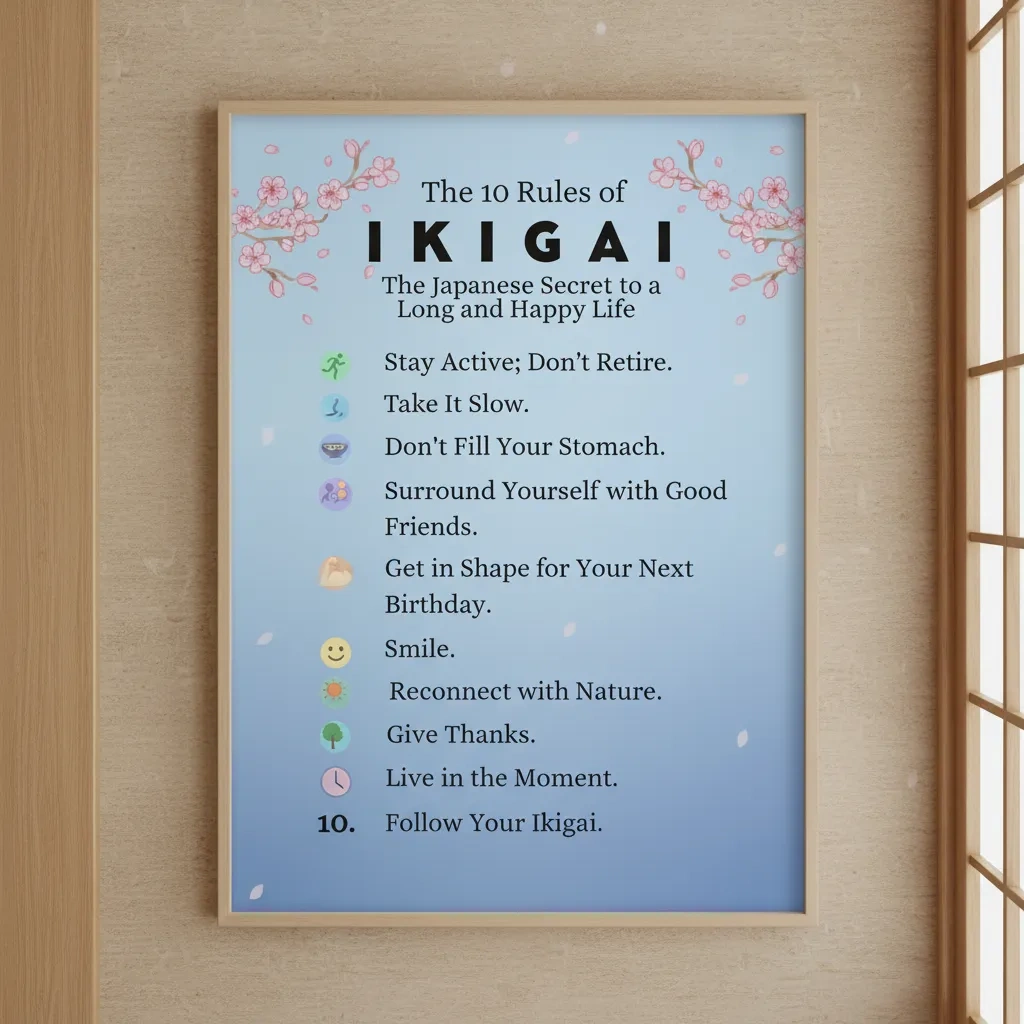
A visual 10 rules of ikigai poster makes the ideas easy to remember. Calm colors and small icons for each rule help you stay grounded and improve your mental health through gentle reminders during the day.
Rule 1 – Stay Active, Don’t Retire
What This Rule Means in Real Life
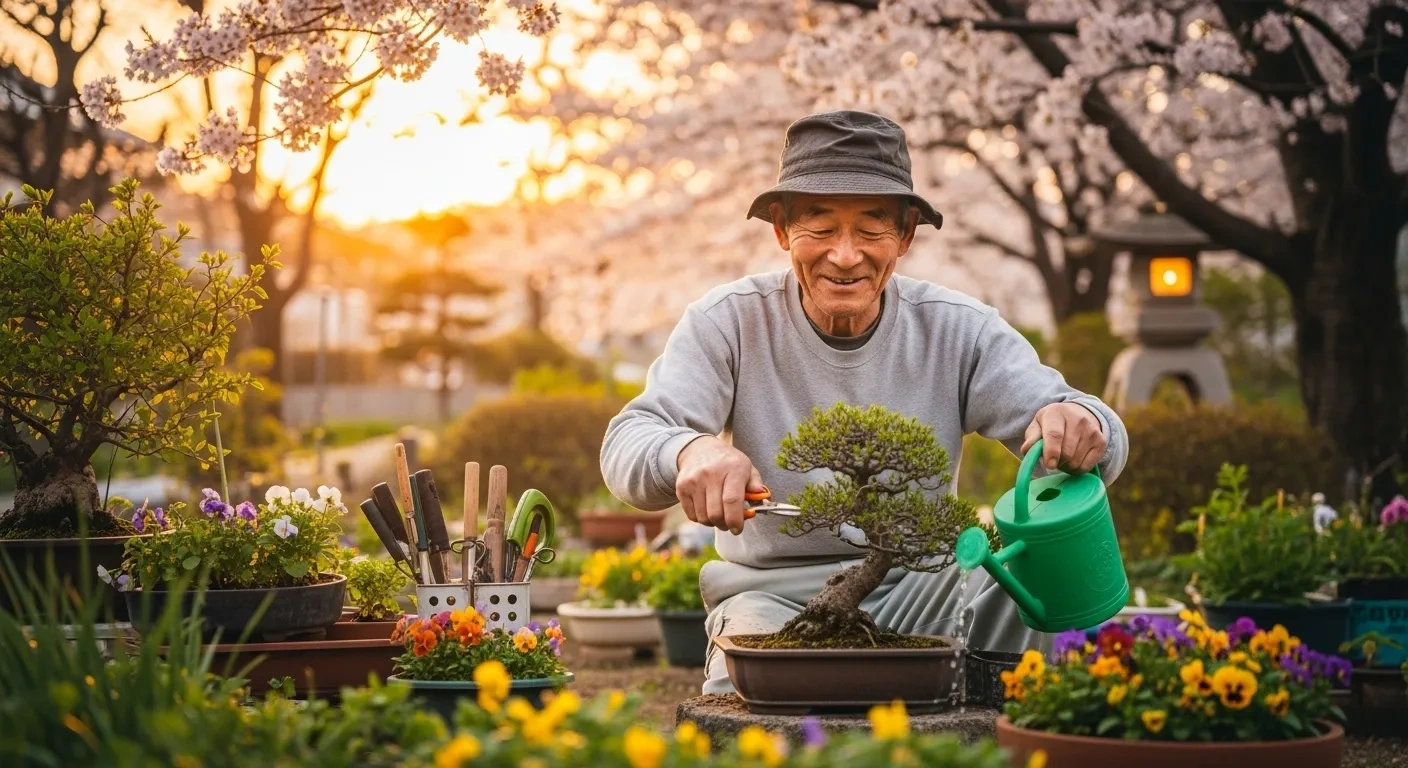
“Don’t retire” doesn’t mean you should never rest. It means keeping a reason to move, think, and stay involved with life. Our analysis shows that many elders in Okinawa keep light work, hobbies, or community roles long after their formal jobs end. Simple actions like caring for people, teaching a small skill, or working part-time help them stay connected. Even tiny home projects can give you a steady sense of purpose.
Small Actions You Can Try Today
-
Join a local group or an online community.
-
Teach a small skill to someone who needs it.
-
Pick one weekly activity that feels like a mission.
-
Help a neighbor with a simple task.
-
Start a tiny home project you enjoy.
How This Rule Supports Your Mind and Body
We found that a steady sense of purpose supports both mental and physical health. When you stay active, your brain stays sharper and your mood stays more stable. People with a clear reason for being often feel more hopeful and grounded, even on tough days. Keeping light movement and simple goals in your routine is one of the easiest ways to build your ikigai.
Rule 2 – Take It Slow

Why Speed Kills Meaning
Rushing through each day makes you miss life, people, and your own feelings. Our analysis shows that constant speed blocks the small moments that bring calm and purpose. When you slow down, you enter a light flow state. Simple acts like noticing your breath or watching your steps help you feel present instead of lost in noise.
Everyday Ways to “Take It Slow”
-
Eat slowly and notice each bite.
-
Walk without your phone for a few minutes.
-
Give yourself single-task time.
-
Pause before saying yes to new tasks.
-
Take short breaks between activities.
ikigai, Time, and Inner Calm
Based on our findings, slower days create more space to see what brings joy and meaning. When you move gently, you hear your inner voice more clearly. You notice the activities, people, and ideas that feel right for you. This calm space is where ikigai often appears, not in the rush.
Rule 3 – Don’t Fill Your Stomach (Hara Hachi Bu)
What Is Hara Hachi Bu?
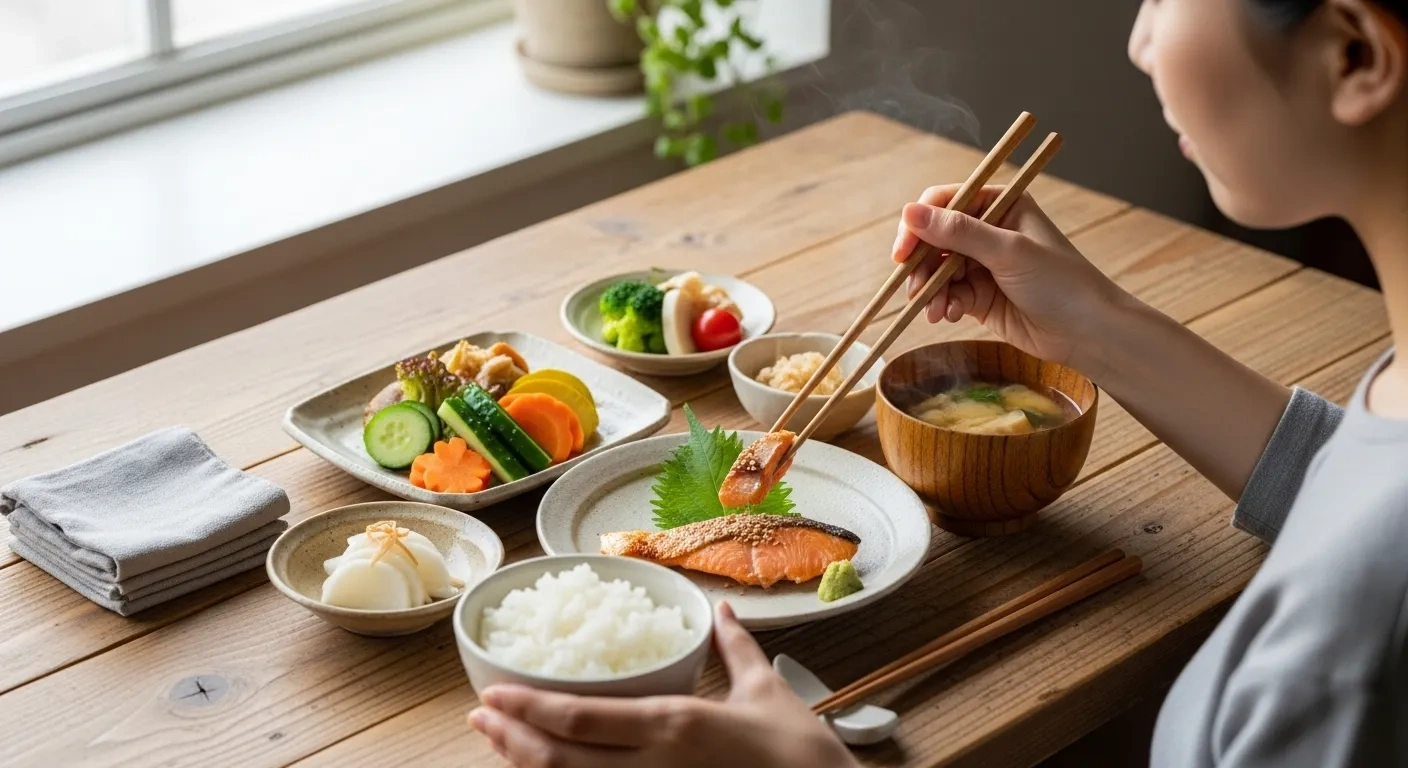
Hara hachi bu comes from the Japanese phrase 腹八分目, which means “stomach eight parts full.” It’s a simple eating habit that encourages stopping before you feel full. We found that this habit has existed in Japan for centuries and is still common in Okinawa. People in Ogimi often follow it without strict rules. They eat to feel light, steady, and ready for the rest of the day.
Simple Eating Habits You Can Copy
-
Eat until you feel light, not heavy.
-
Use smaller plates to guide your portions.
-
Pause mid-meal and notice your stomach.
-
Drink water slowly before and after meals.
-
Take time to enjoy the taste of your food.
Food, Energy, and Your ikigai
Our analysis shows that lighter eating supports both body and mind. When you avoid overeating, your energy stays steady, and your thoughts feel clearer. This calm, clear state helps you connect with your ikigai, whether it’s work, a hobby, or time with people. Eating with care makes space for purpose, presence, and daily joy.
Rule 4 – Surround Yourself With Good Friends

Why ikigai Grows in Community
ikigai doesn’t grow alone. It grows in the people you talk to, laugh with, and trust. Our analysis shows that purpose becomes clearer when you feel supported by others. In Okinawa, many elders rely on moai, small friendship groups that stay together for life. These groups help with advice, care, and emotional strength. We found that this sense of community keeps people grounded, hopeful, and active. Your ikigai often shows up in the bonds you build, not only in your solo goals.
Types of Friends That Support Your ikigai
-
The friend who listens.
-
The friend who creates with you.
-
The friend who walks or moves with you.
-
The friend who celebrates your small wins.
-
The friend who reminds you to stay calm.
How to Build Connection in a Busy World
You don’t need big events to stay close. Small, regular steps work better.
-
Make short weekly calls.
-
Share a simple hobby like reading or morning walks.
-
Plan group meals, even if they’re quick.
-
Send a short message when someone crosses your mind.
These small actions keep your circle alive and help your ikigai stay steady.
Rule 5 – Get in Shape for Your Next Birthday
Movement as a Long-Life Skill
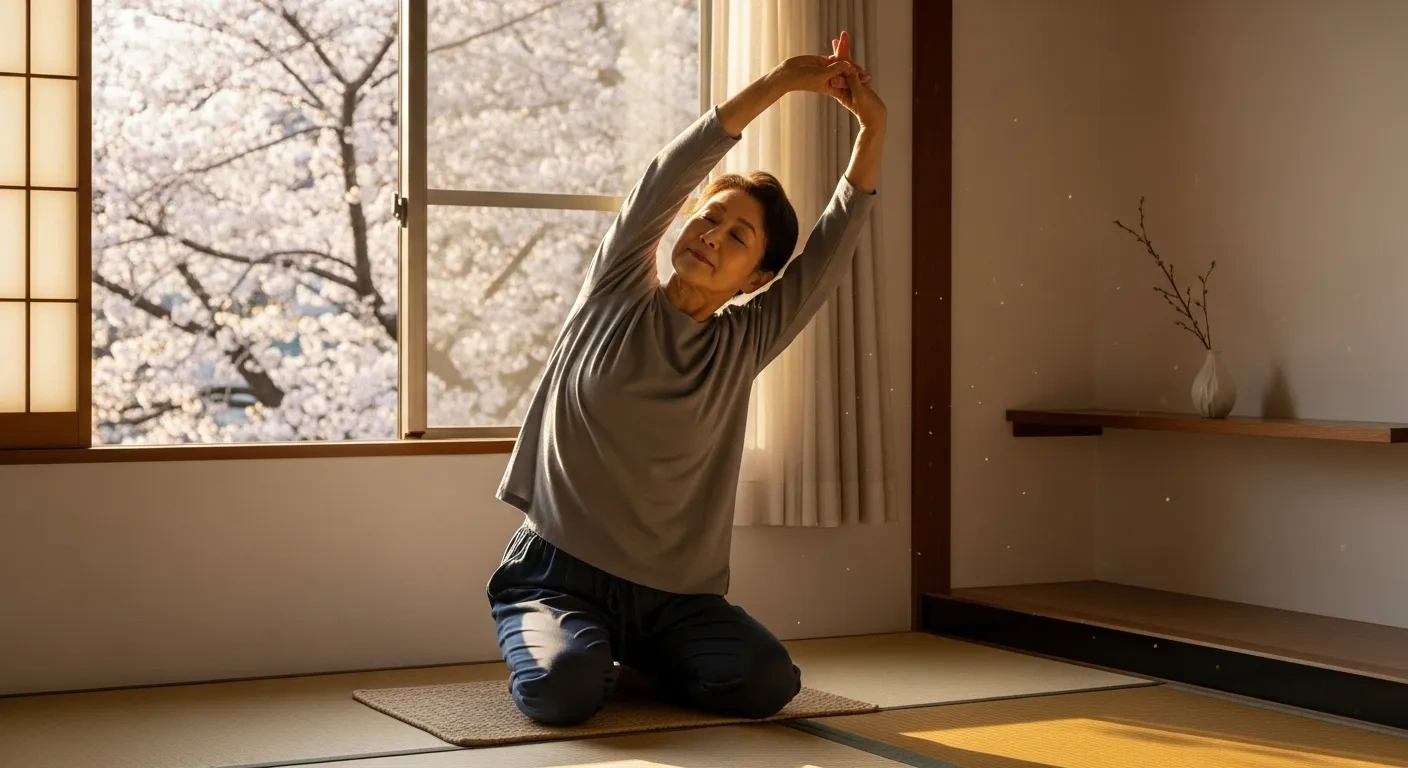
In Okinawa, elders stay active through simple movement. They walk, garden, stretch, and handle small daily tasks that keep the body flexible. Our analysis shows that none of this feels like a workout routine. It’s just part of their day. You don’t need extreme training to feel strong. You only need gentle movement that keeps your body awake and ready for life.
Tiny Activities for Daily Life
-
Take a 10-minute walk.
-
Do light stretching after waking up.
-
Treat gardening or housework as movement.
-
Try simple bodyweight moves like squats or wall push-ups.
-
Stand up and move every hour.
Body Health, Mental Health, and Purpose
We found a clear pattern: when your body moves, your mind feels clearer. Light movement improves mood, focus, and stability. A clear mind helps you follow your mission, make better choices, and stay close to your ikigai. Movement isn’t only for physical health; it’s one of the fastest ways to reconnect with purpose.
Rule 6 – Smile

The Power of a Small Smile in Daily Life
A small smile can change the feel of your whole day. It lifts your mood and makes people around you feel safe and welcome. Our analysis shows that smiling works like a gentle signal of calm. In a family or a team, a soft smile can guide the room. It shows steady leadership without force. You don’t need big words to create ease. Sometimes one honest smile is enough to set the tone.
When Smiling Feels Hard
Some days feel heavy, and smiling doesn’t come naturally. It’s okay to admit that. We found that even on rough days, noticing one tiny good moment helps—a warm drink, fresh air, or a kind message. You don’t need to “fake happy.” Just let a soft smile appear when something small feels right. This tiny shift can ease your mind and help you reconnect with your ikigai.
Rule 7 – Reconnect With Nature

Shinrin-Yoku and Simple Nature Time
Shinrin-yoku is a Japanese practice that means “forest bathing.” It’s about spending quiet time in nature and using your senses to feel the world around you. Our analysis shows that even a few minutes outdoors can calm the mind and support your ikigai. You don’t need a deep forest to feel this effect. A single tree, a clear sky, or a small park is enough to refresh your thoughts and lighten your mood.
Nature Ideas for City Life
You can reconnect with nature even in a busy city.
-
Grow a few plants on your balcony.
-
Take a short walk in a local park on weekends.
-
Sit near a window and enjoy sunlight for a few minutes.
-
Keep a small plant on your work desk.
These simple steps help you feel grounded and bring steady calm into your day.
Rule 8 – Give Thanks

Gratitude as a Daily Ikigai Habit
Gratitude clears your view and helps you notice what truly matters. Our analysis shows that people who practice daily gratitude feel steadier, hopeful, and connected to meaning.
Easy Gratitude Practices
-
Write three things before bed.
-
Send one thank-you message to someone.
-
Add a short line in a small notebook each morning.
These tiny steps take less than a minute but bring more calm and purpose into your day.
Rule 9 – Live in the Moment
Mindfulness Without Complicated Practice
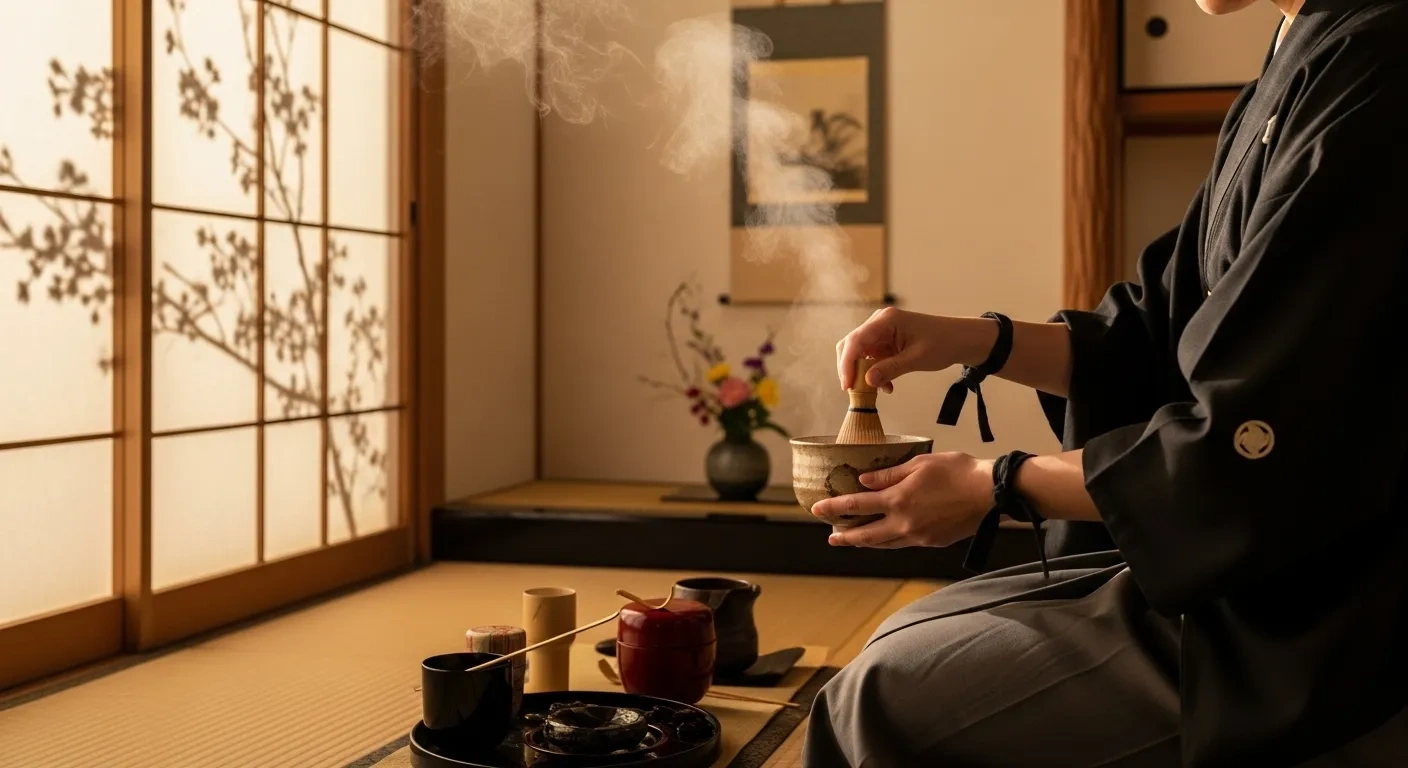
Living in the moment means giving your full attention to what’s happening right now. You don’t need long sessions or strict routines. Our analysis shows that small moments of awareness can shift your whole day. This is where microflow appears — short, calm states you enter while doing simple tasks like washing a cup, folding clothes, or walking slowly. These tiny flow moments help your mind settle and make space for your ikigai to surface.
Tiny Practices to Come Back to Now
-
Feel your breath for a few seconds.
-
Notice one sound around you.
-
Pay attention while making tea or coffee.
-
Slow your steps and watch your movement.
These short pauses help your mind return to the present and keep your day steady and clear.
Rule 10 – Follow Your ikigai
ikigai Is More Than One Big Dream
ikigai isn’t always a single, life-shaping dream. Our analysis shows that for many people in Japan, ikigai lives in small joys, steady routines, and a few bigger aims that shape long-term direction. You can have more than one source of purpose. A warm morning activity can sit beside a long-term goal, and both can matter. Some people also explore kokorozashi, a deeper mission that guides their service to others. Together, these layers create a mix of meaning that feels personal and real.
What Does the World Need? (ikigai and Service)
Many readers search for “what does the world need ikigai,” and this question links back to the classic diagram. It asks, “What does the world need from me?” Our findings show that the answer is often simple. Helping others, sharing a skill, supporting your community, or doing small acts of care can shape purpose. You don’t need a global mission. You only need a wish to reduce someone’s stress, add value to a space, or make a moment easier for another person. Service is a quiet, steady way to meet the world’s needs through your ikigai.
Simple Steps to Explore Your Own ikigai
You can begin with small questions:
-
What activities make me lose sense of time?
-
Who do I like to help?
-
What skills feel natural to me?
-
Where do my skills and the needs of others meet?
-
Which moments make me feel alive or useful?
These questions open the door to a purpose that fits your life, your pace, and your world.
10 Rules of ikigai to Boost Mental Health
How These Rules Support Your Mind
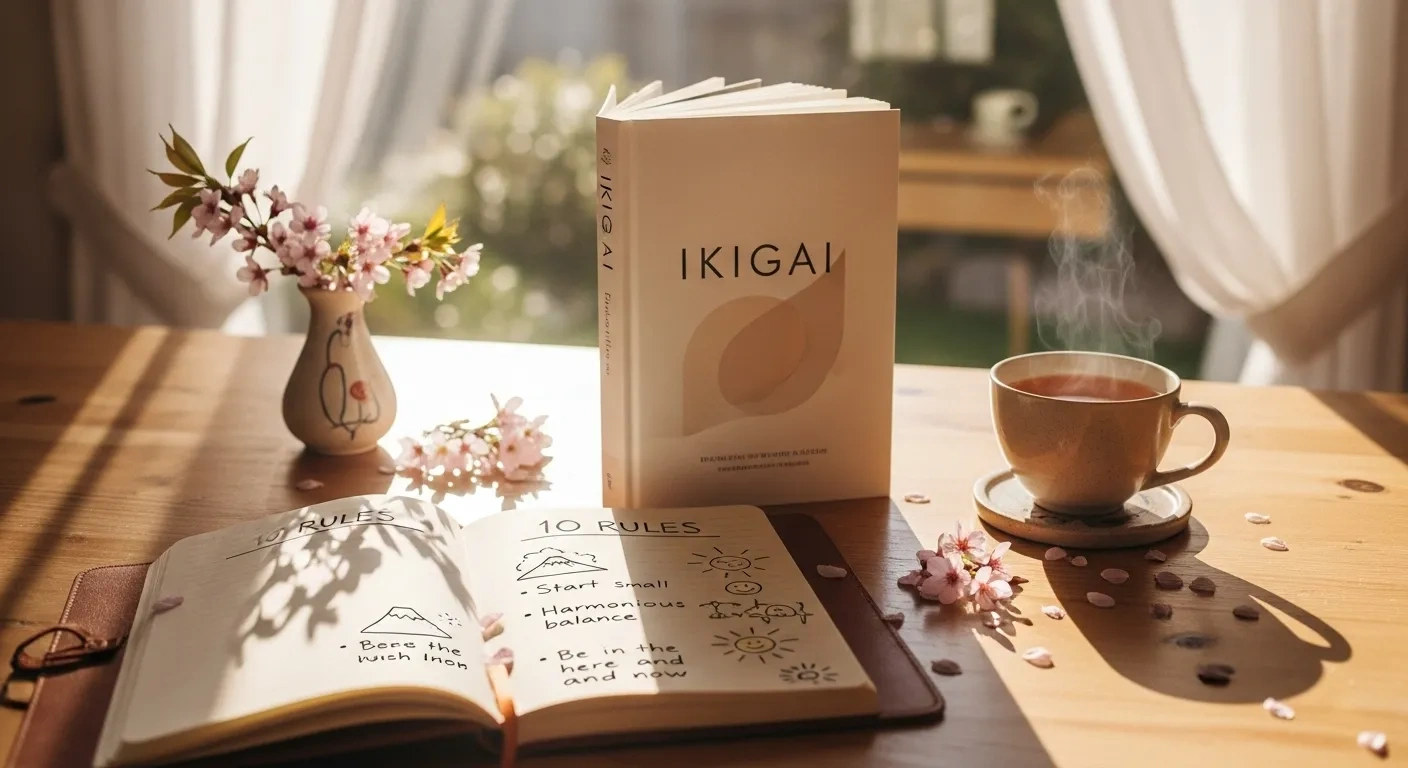
These ten rules work together to support mental health in a simple, steady way. Movement keeps your body light. Friends, keep your heart open. Nature clears your thoughts. Gratitude lifts your mood. Slow time helps you breathe and notice what matters. Based on our findings, these habits reduce stress and bring a deeper sense of fulfilment. Each rule adds a small layer of calm, and together they guide you toward a clearer, kinder way of living.
ikigai is not a Replacement for Therapy
ikigai can support daily life, but it cannot replace professional care. If you face deep pain, intense stress, or any form of illness, please reach out to a trained professional. These rules can sit beside therapy, not instead of it. They offer gentle support, not full treatment, and they help you stay connected to meaning while you heal.
Bringing the 10 Rules of ikigai Into Your Life
ikigai is not a big theory. It’s a daily way of living. We found that the people of Okinawa and Ogimi protect their health and spirit with simple habits, not complex systems. They move often, eat with care, stay close to friends, and give time to nature, gratitude, and quiet focus.
You don’t need a perfect plan to start. Pick one rule that fits your life today. Maybe you walk a little more, smile at someone at home, or write one line of thanks before bed. Our analysis shows that small, steady changes shape a deeper sense of purpose over time.
Let the diagram guide your thinking, and let your real life guide your actions. Notice what gives you energy, which people you feel safe with, and which activities make time disappear. That mix of work, love, service, and calm is your living ikigai — your reason to wake up and take part in this world.