How to Find Your Ikigai Guide | Sources, Experts & Disclaimer
Summary
This How to Find Your Ikigai guide helps you explore your purpose through real studies, psychology, and reflection. It’s for anyone feeling lost, tired, or unsure about life’s direction.
You’ll learn what Ikigai truly means, how to match your strengths and passions, and how to live with quiet meaning — one small step at a time.
Who This Guide Is For
People often search for Ikigai when life feels confusing or heavy. Many readers visit ikigaiibook.com — students seeking direction, professionals stuck in routine, parents balancing roles, and creative minds craving focus — all 0hoping to understand their true purpose.
If you’ve ever wondered, “Why do I feel unmotivated even when everything looks fine?” this Ikigai guide is for you. You don’t need to quit your job or start over to learn how to find your Ikigai. You just need the space to see what truly matters.
When people reconnect with their inner purpose, their energy, focus, and relationships grow stronger. That’s the quiet power of Ikigai — a simple path to rediscover meaning in daily life.
How We Use Positive Psychology, Personality Tests & Research
This guide is grounded in positive psychology and real research on life purpose.
We studied work from experts like John Nelson and others who linked meaning to emotional health.
Tests and evaluations are used here as reflection tools — not labels.
They help you understand your strengths, weaknesses, and how they shape your Ikigai.
Our insights come from research on focus, concentration, and well-being, written in clear, practical language — no jargon, just ideas you can apply to daily life.
Important Disclaimer Before You Start
This guide is educational, not therapy or medical advice. If you’re struggling with anxiety, depression, or emotional distress, please talk to a qualified professional before making big changes.
Our goal is to help you reflect safely.
Each part is designed with care to support personal growth at your own pace.
If any exercise feels uncomfortable, pause and return when ready.
Your journey toward finding Ikigai should feel calm, personal, and pressure-free.
What Is Ikigai? Meaning, Origin & Everyday Life Examples
Summary
ikigai (生き甲斐) means “a reason for being.” It’s not about chasing success but finding meaning in ordinary life.
Our research shows that Ikigai blends culture, psychology, and purpose into one idea — the quiet reason you wake up each morning.
From small rituals to lifelong work, it turns happiness into daily action instead of theory.
Ikigai (生き甲斐) – Reason to Wake Up in the Morning
Ikigai comes from two Japanese words: Iki means “to live” and Gai means “worth” or “value.”
Together, they describe what gives life meaning.
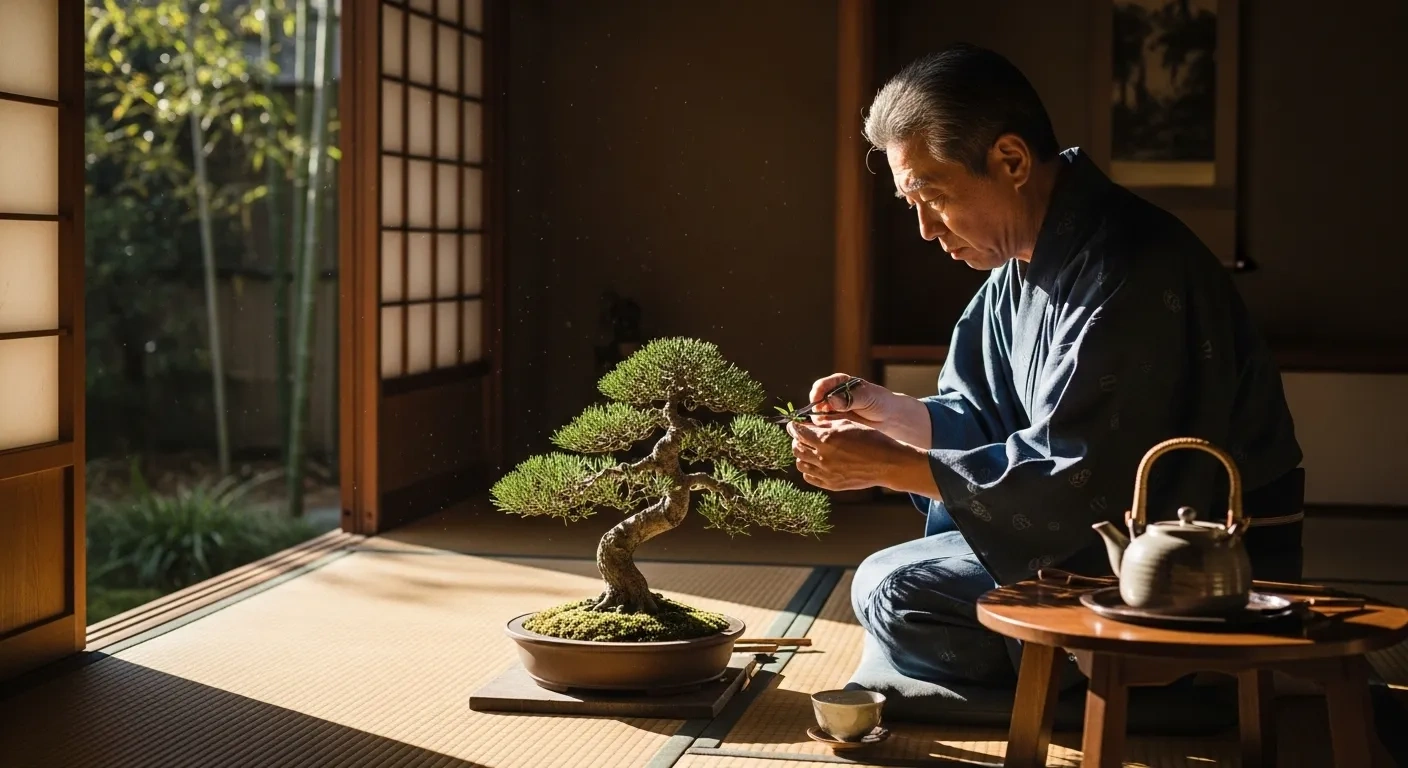
In Japan, it shows up in simple habits — an elder caring for bonsai, a mother preparing a meal, or a writer returning to the desk each day. It’s not about fame or money but the joy of doing something that feels right. Psychologists call it a steady sense of purpose. People who live with Ikigai often show better focus, emotional balance, and lower burnout.
How Japanese People See Ikigai in Small Moments
Ikigai in Japan is quiet and practical.
It appears in arranging flowers, sharing walks, or polishing wood.
You don’t need big changes to learn how to find your Ikigai.
Notice what brings calm joy to your daily routine.
Experts describe this as an everyday purpose — a rhythm that joins values, activity, and awareness.
Ikigai, Blue Zones & Okinawa as Real-Life Context — Not Magic
Okinawa’s long-living elders share five traits: movement, purpose, plant-based food, social ties, and gratitude.
- Ikigai supports that lifestyle.
- It links mind and body, leading to fuller, healthier lives.
The lesson isn’t to copy habits but to create your own reason to wake up every day.
The Difference Between Trendy Western Ikigai Posts and the Older Idea
Modern posts show Ikigai as four circles — what you love, what you’re good at, what the world needs, and what pays you. That diagram helps with careers, but traditional Ikigai is deeper.
It values harmony between self, work, and community.
This guide honors both ideas — using the diagram for structure while keeping the heart of Ikigai simple and real.
The Ikigai Diagram Explained – How to Use It Without Getting Stuck

Summary
The Ikigai diagram is a map, not a test. It helps you connect your passions, skills, values, and opportunities to understand how to find your Ikigai.
Most people get stuck when they treat it as a fixed formula. In truth, it’s a living guide you update as you grow.
The Four Circles in Simple Words
The Ikigai diagram has four simple parts. Each circle represents a piece of your life puzzle.
1. What You Love
These are the activities that make time disappear.
Example: A teacher who loves storytelling or a designer who enjoys sketching.
2. What You Are Good At
Your natural strengths or learned skills, such as problem-solving, writing, or leading.
Example: A parent who organizes everything with ease or a student who explains tough ideas simply.
3. What the World Needs
This is about service — not saving the planet overnight, but helping in small, real ways.
Maybe your neighborhood needs someone to teach digital skills, or your team needs motivation.
Our findings show that meaning grows faster when people feel useful to others.
4. What You Can Be Paid For
Skills that meet real needs and bring income.
Money doesn’t define Ikigai, but it helps sustain it.
When these circles overlap, you find balance — joy, skill, service, and stability.
Passion, Profession, Mission, Vocation – Real-Life Meaning
Once you map the four circles, you’ll see four connecting zones:
- Passion: what you love and do well.
-
Profession: what you do well and get paid for.
-
Mission: what you love and the world needs.
-
Vocation: what the world needs and pays for.
A Kinder Way to Use the Diagram
- Ikigai isn’t a perfect answer or one job. It grows with you.
- Don’t judge or rush the process — write freely inside each circle and update it over time.
- Caring roles, volunteering, or hobbies also hold deep Ikigai.
- Treat the diagram as a reflection tool, not a test.
- Curiosity, not pressure, is how your Ikigai becomes clear.
Why Finding Your Ikigai Matters for Your Mind, Body, and Work

Summary
Learning how to find your Ikigai isn’t just a mindset shift. It shapes how you think, feel, and act.
Research links purpose with sharper focus, better mental health, and improved well-being.
Ikigai works like a quiet compass — helping you stay centered when life feels noisy.
Ikigai as an Inner Compass When Life Feels Noisy
- Modern life brings too many choices and endless comparisons.
- Most people don’t lack talent — they lack clarity.
- Ikigai helps filter what matters, reducing confusion instead of adding stress.
- When you know what aligns with your values, decisions feel lighter.
- It won’t erase problems, but it helps you face them calmly and confidently.
Mental Health and Emotional Well-being
Psychologists see Ikigai as a stabilizing force for emotional balance. People with a clear purpose report less stress, fewer anxiety symptoms, and stronger resilience.
Studies, including one in the Journal of Behavioral Medicine, link purpose to healthier coping and lower depression rates.
Reflecting on what gives life meaning deepens emotional awareness and builds inner balance over time.
Physical Health and Long-Term Outcomes
Purpose also supports physical health. Long-term studies show people with higher Ikigai often have better heart health and a lower risk of chronic illness.
The link isn’t a guarantee, but purpose encourages healthier routines — steady movement, balanced food, and mindful living. When life feels meaningful, people naturally care for their bodies.
Career, Money, and Everyday Choices
Ikigai doesn’t require quitting your job. It means aligning work with what drives you — adding small, meaningful projects that spark joy.
A software engineer we met taught coding on weekends; it became his Ikigai.
Such activities restore motivation and prevent burnout.
Relationships, Family, and Community as Part of Ikigai
ikigai grow in connection, not isolation. Family, friends, and community roles all strengthen purpose.
Shared goals, parenting, mentoring, helping build emotional stability, and long-term happiness.
The strongest Ikigai stories always include belonging, kindness, and shared meaning.
How to Find Your Ikigai – A 5-Phase Path You Can Start Today
Summary
This five-phase path turns the idea of Ikigai into clear action.
Each step builds on the last — from calm focus to realistic money choices.
You can do it in a weekend or stretch it across days; move at your own pace.
Phase 1 – Prepare Your Mind (Mindfulness, Focus & Self-Honesty)
- Start with a clear head.
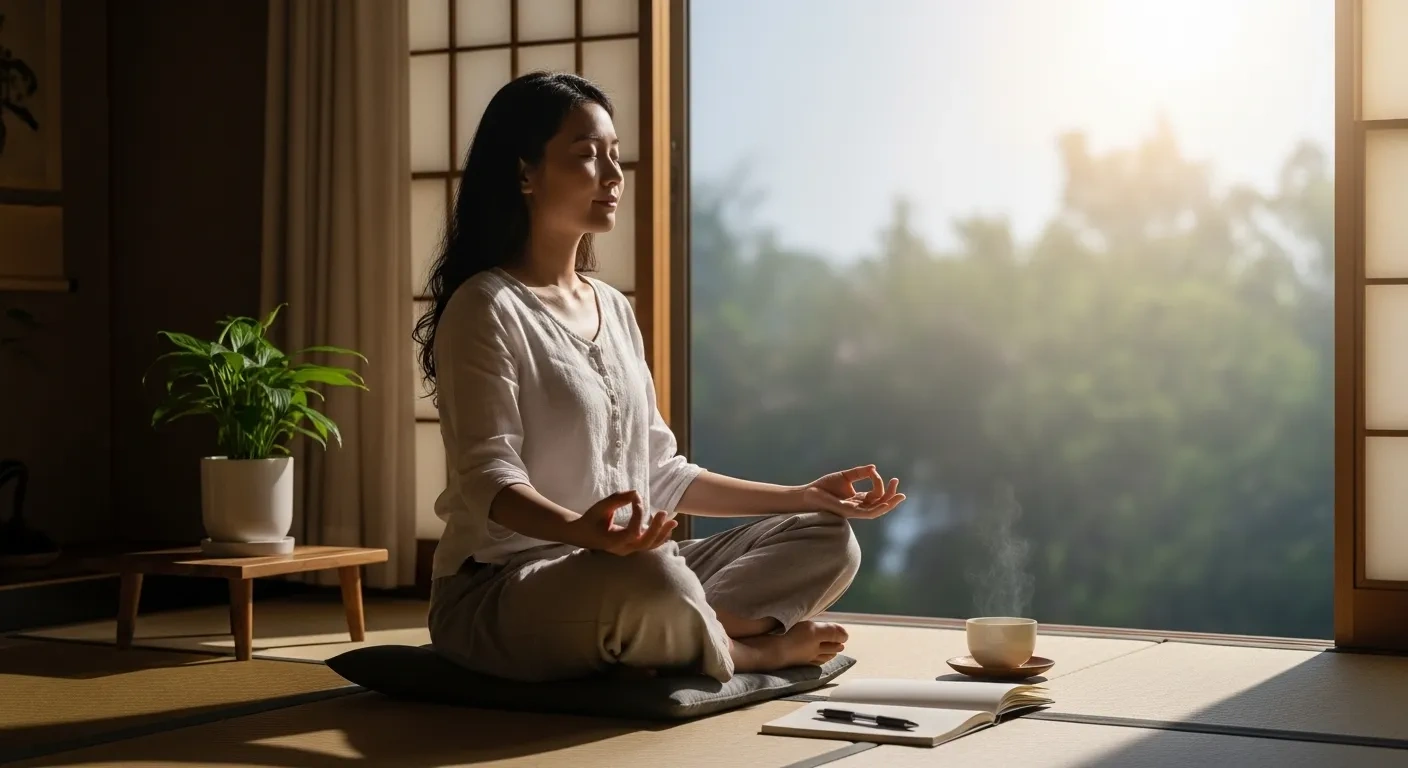
- Sit quietly, feet on the floor.
- Breathe in for 4 counts, hold 4, exhale 6.
- Repeat for a few minutes to center yourself.
Pick a quiet time, morning or evening.
Use a notebook or notes app, silence your phone, and give yourself 30–60 minutes.
You’re not judging your past — only noticing patterns.
If questions feel heavy, write the first honest thought, keep sentences short, and move on.
Simple answers reveal more truth than perfect ones.
Phase 2 – Do What You Love (Passion & Joy Mapping)
Notice what gives joy before thinking about jobs.
Ask:
- What did I enjoy as a child?
- Which hobbies make me lose track of time?
- If money didn’t matter, how would I spend a free day?
Write quick phrases such as “helping kids learn'' or “designing spaces.”
Patterns will appear in teaching, creating, caring, or coaching. You don’t need one label; mix what fits.
Phase 3 – Do What You Are Good At (Strengths, Skills & Personality Type)

ikigai grows where talent meets practice.
List strengths (tasks that energize you) and weaknesses (things you avoid).
Then make two lists:
- Skills you already have.
- Skills you want to learn.
Add structure with personality or strengths tests, but treat them as clues, not labels.
Ask three trusted people when they see you at your best — their answers often reveal hidden strengths.
Phase 4 – Do Something the World Needs (Mission & Impact)

Shrink “the world” to what’s near you — family, neighbors, clients, community.
Ask:
- Who needs help?
- Which issues move me most?
Link these needs to your skills. Writers can support nonprofits, planners can organize events, and tech-savvy people can help elders go online. Ikigai often appears where your effort meets a real human need.
Phase 5 – Do Something You Can Be Paid For (Profession & Money Reality)

Purpose stays healthy when it supports real life.
Ask, “Who already pays for this kind of value?”
Think jobs, freelance work, digital services, or local tutoring.
You can blend stability and passion — a part-time job, a side project, and freelance work.
Design small offers: what you do, who it helps, and what result it gives.
Start with one client or class and grow slowly.
Stay realistic about bills and family duties.
Set a basic income goal and discuss plans with loved ones.
Ikigai fits life best when you build it step by step, not through sudden leaps.
Turning Insights Into Your Personal Ikigai Map

Summary
After the five phases of learning how to find your Ikigai, you now have notes, ideas, and patterns.
This section helps you turn them into one clear Ikigai map, a simple visual that shows what makes your life feel worthwhile.
Writing and seeing everything in one place deepens self-awareness and makes action easier.
How to Draw Your Own Ikigai Diagram or Worksheet
Take a blank page or a digital note.
Draw four overlapping circles and label them:
-
What You Love
-
What You Are Good At
-
What The World Needs
-
What You Can Be Paid For
If you do not want to draw, make a table with four columns.
Use short phrases, not long lines, for example:
-
Helping people learn
-
Designing clean visuals
-
Writing stories that inspire
-
Teaching teens how to manage stress
Keep it light. You can adjust it as you grow.
Collecting Keywords From All Four Areas
Look back at your notes from each phase and pull out key words:
-
From What You Love: writing, music, cooking, helping, creating
-
From What You Are Good At: planning, explaining, designing, analyzing
-
From What The World Needs: education, mental health, inclusion, and clear communication
-
From What You Can Be Paid For: coaching, content, research, design, teaching, analysis
Place these in the right circle. You can highlight the ones that feel most alive.
Seeing them grouped visually helps your brain spot patterns faster than reading long text.
Finding Overlaps – Possible Ikigai Themes and Directions
Some words will meet in the center of your diagram.
That is where your main Ikigai themes sit. Ask yourself:
-
Which two or three activities or roles repeat across circles
-
Which mixes feel natural, not forced
-
Which topics or skills keep showing up in different parts of life
Example:
When writing, helping others, and mental health intersect, your Ikigai may indicate a path toward therapeutic writing, coaching, or education.
If design, clarity, and small businesses overlap, your Ikigai may lean toward brand design or communication consulting.
These overlaps do not always give one a perfect job title.
They give themes that can guide your next choices.
One-Sentence “Purpose Statement” Exercise
Once you identify your themes, try to condense them into a single, clear line.
Formula:
“I use my [skills/strengths] to [help/support/teach] [people/group] to [achieve/change/learn] [outcome].”
Examples:
-
I use my communication and teaching skills to help students manage study stress.
-
I use design and empathy to help small brands express their story visually.
-
I use organization and care to make family life calmer and more connected.
Write a few versions and read them out loud.
Choose the one that feels true and gives you energy.
This is your working purpose statement. You can refine it over time.
When Your Ikigai Doesn’t Tick Every Box Yet (Day Job + Side Passion Model)
Most people do not land in a perfect Ikigai right away, and that is normal.
Balance often starts with two parts:
-
A day job that covers needs and bills
-
A side passion that feeds meaning and growth
For example:
-
A nurse who writes health blogs at night
-
A business student who volunteers in art projects
-
A manager who mentors interns to stay linked to purpose
These small bridges keep your Ikigai alive while life stays practical.
With time, a side passion can grow stronger or blend with your main career.
Ikigai is not a trophy. It is a rhythm between what sustains you and what fulfills you.
Keep watching, adjusting, and refining your map.
Each small step adds more clarity to your personal Ikigai.
Journal Prompts & Self-Reflection Exercises to Find Your Ikigai

Summary
Writing is one of the fastest ways to make your Ikigai clearer when you’re learning how to find your Ikigai. Our analysis shows that regular reflection improves focus, self-awareness, and decisions. These prompts work like a simple “inner test” without any score or label. You can use them for one week or turn them into a long-term practice.
Daily Reflection Questions for One Week
Answer them briefly each night in a notebook or notes app.
Day 1 – Energy
What gave me energy today?
What drained me?
When did I feel most like myself?
Day 2 – People
Who did I enjoy being around?
Who did I help?
Who helped me?
Day 3 – Work or Study
Which tasks felt easy and natural?
Which felt heavy?
What skill made me proud today?
Day 4 – Emotions
When did I feel calm?
When did I feel stressed?
What helped in each moment?
Day 5 – Meaning
What felt meaningful today, even if small?
Did I act on my values?
If not, what blocked me?
Day 6 – Growth
What did I learn about myself?
Which challenge helped me grow?
Where did I avoid growth?
Day 7 – Overview
Looking back, what stands out?
What patterns do I see in my mood and focus?
What do I want to change next week?
Even one week of this brings real insight into your habits and values.
Long-Form Prompts for Deeper Work (Life Story, Values, Fears, Blockers)
Set aside 20–30 minutes for each. Write freely.
-
“If my life were chapters, what would each be called?”
-
“Three proud moments and what they show about my values.”
-
“Three times I felt stuck — what fear was behind them?”
-
“What did family or culture teach me about work and success?”
-
“What feels true or false about that message?”
-
“If no one judged me for a day, what would I start, stop, or change?”
-
“Which roles — student, parent, worker, friend — feel most like me?”
These reflections reveal where old stories limit you and where freedom starts.
If something feels heavy, pause or share it with a counselor.
Evening Review: Three Small Activities That Felt Meaningful Today
Spend five quiet minutes before bed. Ask:
-
What three activities felt meaningful today?
-
Why did they feel meaningful — person, place, or feeling?
-
How can I repeat them tomorrow?
Meaning often hides in small acts — helping a child, listening to a friend, cooking with care.
Noticing them daily strengthens your sense of Ikigai.
How to Keep an “Ikigai Report” Over Time (Notes, Insights, Results)
Treat your notes as a living report, not a test. Review weekly or monthly.
1 · Notes – Short lines that stand out, like “Mentoring juniors felt natural.”
2 · Insights – Lessons you see: “I enjoy guiding more than executing.”
3 · Results – Actions you tried: took a course, asked for new tasks, set hobby time.
You can track by month: activities, challenges, and outcomes. This record turns reflection into proof of progress. Your Ikigai will shift as life changes — this habit keeps you connected to it and aware of where you want to go next.
Step-by-Step Exercise – Free Ikigai Worksheet You Can Do in One Sitting

Summary
This exercise turns everything you’ve learned about how to find your Ikigai into one clear worksheet.
You’ll answer key questions, build a simple visual map, and turn it into actions. Our analysis shows that doing this in one focused sitting helps connect your ideas faster. All you need is a quiet space, a pen, and honest answers.
Step 1 – Answer Key Questions in Each of the Four Circles
Divide a page into four sections:
-
What You Love
-
What You’re Good At
-
What Matters to You
-
What You Can Be Paid For
Write short phrases, not long sentences.
- What You Love – activities that feel natural or joyful.
Ask: What could I do for hours? What did I enjoy as a child? - What You’re Good At – skills and strengths that come easily.
Ask: What do people praise me for? What feels effortless? - What Matters to You – causes or needs you care about.
Ask: Who do I want to help? What problems move me? - What You Can Be Paid For – ways to earn from your skills.
Ask: What services or roles already use my abilities?
These four areas form the base of your Ikigai map.
Step 2 – Create a Visual Map of Your Answers
- Place your answers in each circle and notice where they overlap.
- Highlight repeating themes like teaching, design, or helping others.
- Exciting ideas show passion; scary ones often point to growth.
Step 3 – Turn Your Map Into a Simple Action Plan
Daily Rituals – Small acts that keep your Ikigai alive:
-
Write for 10 minutes.
-
Walk without your phone.
-
Help one person each day.
Weekly Growth – Deepen your purpose through classes, hobbies, or new learning.
Jobs or Projects – From your overlaps, list one job, one side project, and one course to explore.
Roles and Relationships – Note your key roles (parent, friend, mentor).
Ask: Which ones feel closest to my Ikigai, and how can I show up better?
Keep your worksheet visible and update it as you grow.
Ikigai isn’t fixed — it evolves with your life.
Daily Activities, Rituals & Habits That Support Your Ikigai

Summary
Ikigai lives in your normal day, not only in big goals.
Small habits shape your mood, focus, and sense of meaning.
Our analysis shows that daily rituals, hobbies, work roles, and support systems all feed your purpose. You don’t need a perfect routine; you need a few steady practices that fit your life.
Tiny Rituals That Give Your Day Meaning
Simple rituals often do more for Ikigai than grand plans.
They calm your mind and build quiet balance.
Try a few of these daily:
-
Take a short morning walk without your phone.
-
Enjoy one calm cup of tea or coffee.
-
Journal for five minutes about your thoughts.
-
Meditate or breathe deeply for a few minutes.
-
Read a few pages of a good book.
-
Write three things you’re grateful for.
Pick one or two to start your day, and one to close it.
These small acts improve focus and emotional steadiness throughout the day.
Hobbies That Protect Your Energy and Curiosity
Hobbies remind you that you’re more than your job or duties.
Good choices include:
Art, writing, music, sports, gardening, or simple crafts.
A helpful hobby:
-
Matches your natural strengths.
-
Brings progress without pressure.
-
Lets you enter a flow state.
You don’t need to be perfect — curiosity and joy matter most.
Jobs, Roles, and Relationships as Places Where Ikigai Grows
Ikigai grows through real-life roles — at work, at home, and in your community.
Ask yourself:
-
Where do I already feel useful?
-
Who relies on my strengths?
-
Which roles align with my values?
Even if your job isn’t ideal, some parts may still support your purpose — mentoring, solving problems, or helping others.
Try writing a short role report:
-
Role: “Team member at X”
-
What I give: “Planning, calm, problem-solving”
-
What I receive: “Growth, income, connection”
This helps you see meaning in everyday work and relationships.
Handling Fear, Blockers, and Self-Doubt
Everyone faces doubts while pursuing purpose. Use these tools to stay steady:
1. Self-Talk – Replace “I can’t” with “I’m learning.” Speak kindly to yourself.
2. Values Check – List your top values (honesty, care, creativity). Ask, “Is my next step true to these?”
3. Small Experiments – Try mini-steps: teach one free class, post one article, or join one event. Small wins reduce fear.
4. Ask for Support – Talk with a friend, mentor, or counselor. You don’t have to carry everything alone.
Support turns fear into growth.
Conclusion
Summary
Ikigai is not a finish line. It’s a way of living that keeps changing with you.
Our findings show that small, steady steps matter more than sudden, big changes.
You can refresh your sense of purpose in a single day, and then repeat that pattern whenever life shifts.
Ikigai isn’t a finish line but a way of living that grows with you. Small, steady steps matter more than big, sudden changes, and you can refresh your sense of purpose any day — then repeat that rhythm as life evolves.
It’s not something you chase; it’s something you nurture through daily choices that reflect what you love, what you’re good at, what helps others, and what sustains your life. Purpose often hides in small acts — helping someone, learning a new skill, sharing kindness, or finishing a task that matters. Over time, these simple actions quietly shape who you are and guide you toward your true Ikigai.
You don’t need to change your job or city to find meaning. Just notice what already gives your days life and build from there. Many readers at ikigaiibook.com have rediscovered purpose after burnout, parents have found calm through family rituals, and professionals have felt alive again by reconnecting with forgotten passions. Their secret wasn’t a perfect plan — it was steady attention and self-awareness.
If you’re ready to explore deeper and start living with purpose, download the Ikigai book — your first small step toward a more balanced, meaningful life.