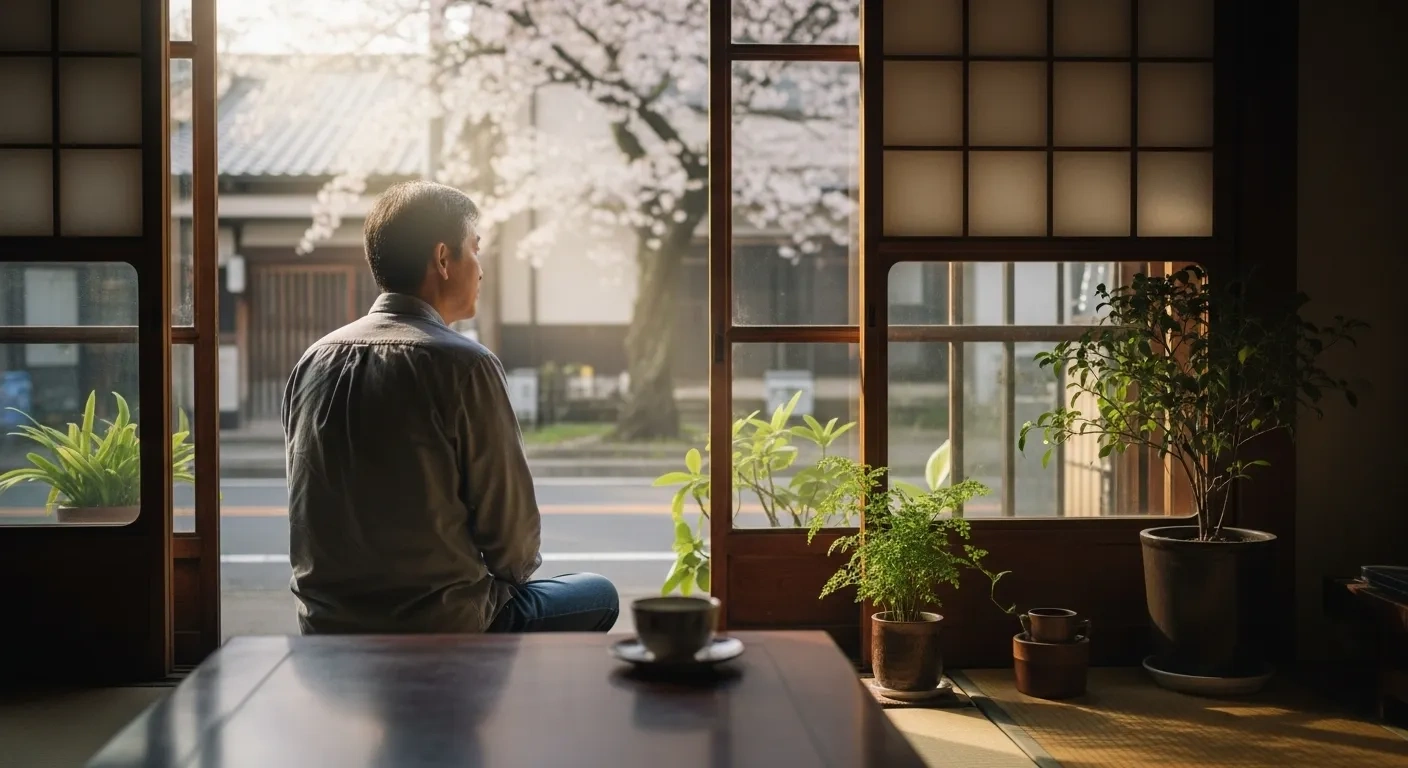
ikigai is a Japanese concept that explains why life feels meaningful on ordinary days. It is not about chasing big goals or constant happiness. It is about the small reasons that make you want to wake up and stay engaged with life. The word is pronounced ee kee guy and comes from everyday Japanese language, not from self-help theory.
In this guide, we explain what is ikigai, where it comes from in Japanese culture, and how it appears in real life, along with related ideas such as the 10 Rules of Ikigai. Based on our analysis and research at ikigaiibook.com, you will also see clear examples and common misunderstandings explained in simple terms, so the idea feels practical and real rather than abstract.
What is ikigai
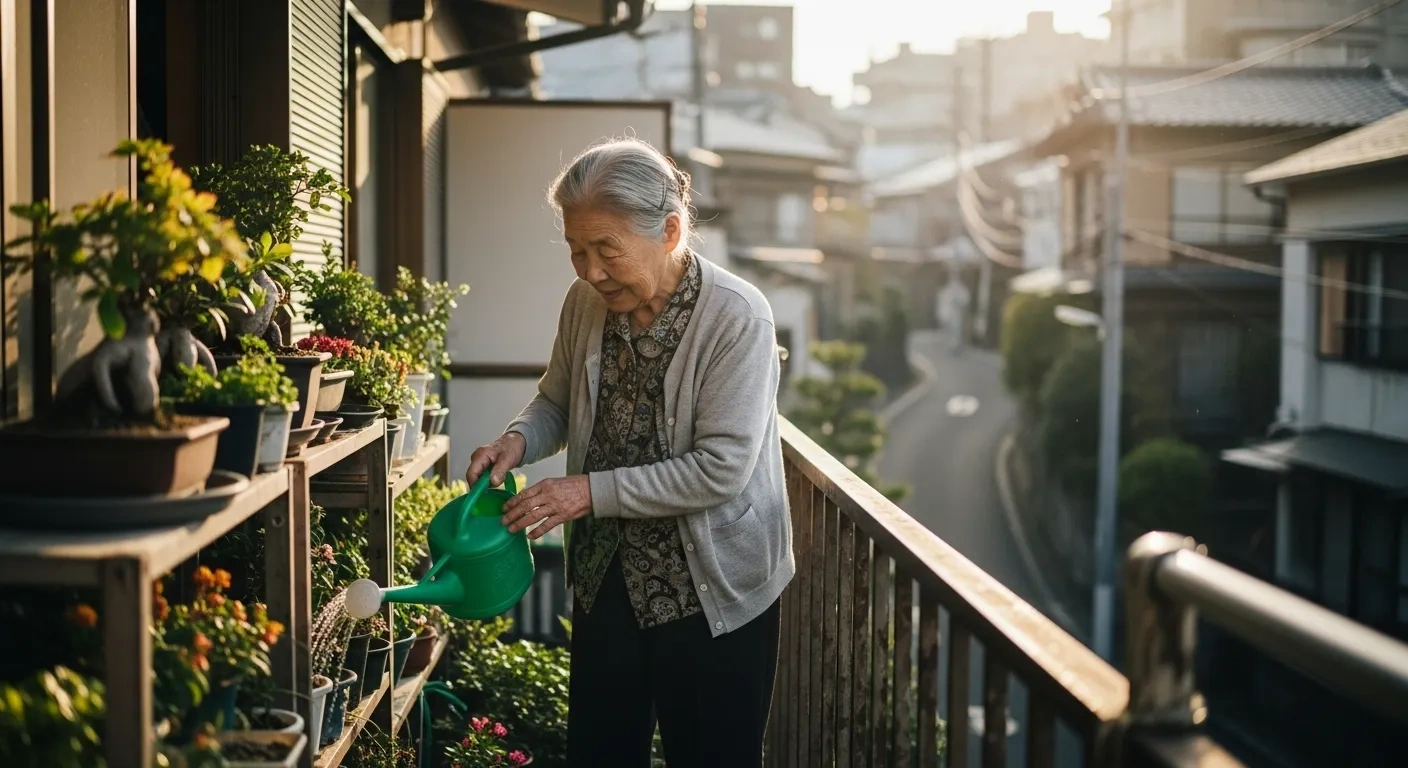
Ikigai means a reason for being or a reason to live. In Japanese, the word combines iki, which means life or to live, and gai, which means value or worth. Together, ikigai points to whatever makes life feel valuable to you. Based on our findings at ikigaiibook.com, ikigai is not a goal you chase. It is something that already exists in your daily life.
Many people translate ikigai as “purpose,” but this creates confusion. Purpose often sounds large, future-focused, or tied to achievement. Ikigai works differently. It lives in the present. It can be caring for a family member, enjoying a craft, or showing up for a role that matters to you, which is also why learning how to Find Your Ikigai starts with daily life rather than long-term goals. Our analysis shows that in Japanese life, ikigai does not need to change the world. It only needs to give your day meaning.
What ikigai Means in Japanese Daily Life
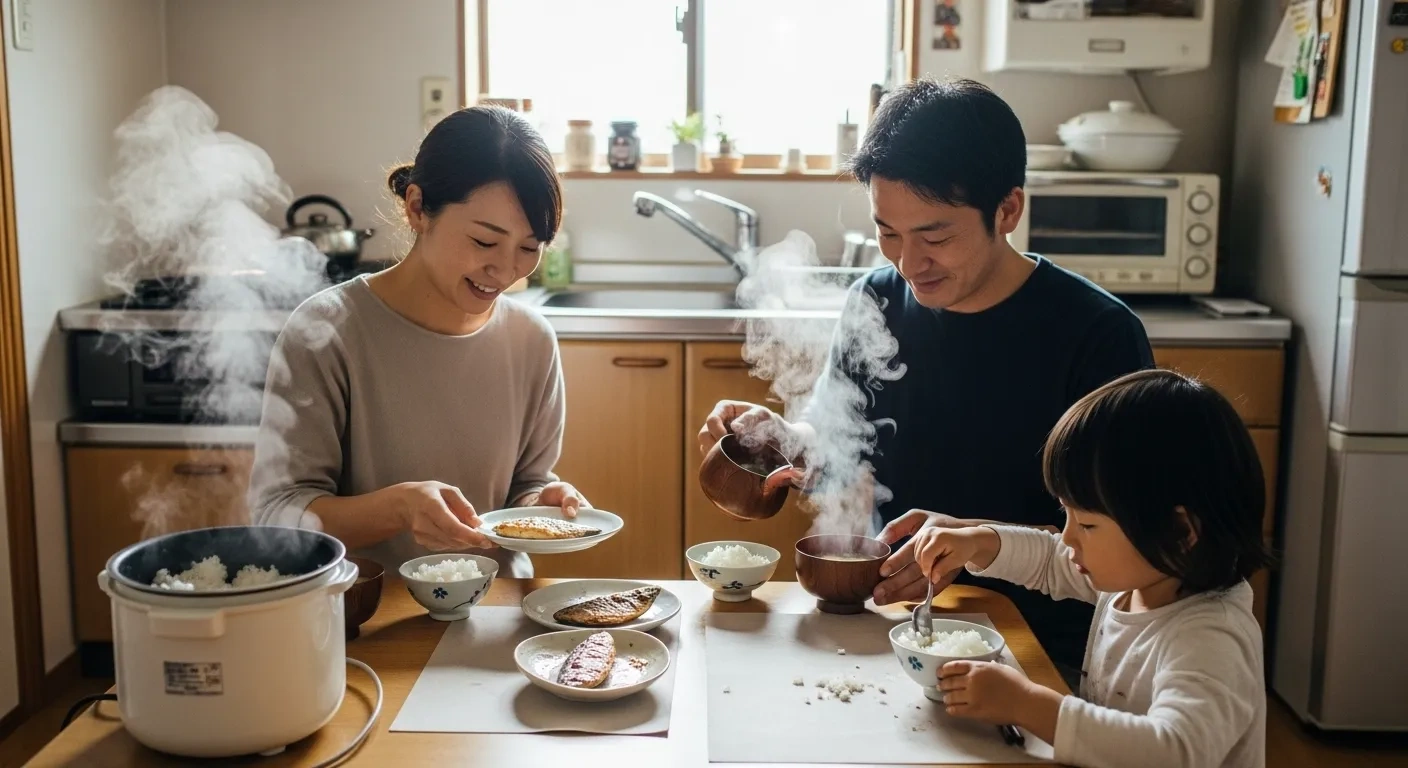
In Japan, what is ikigai is not about finding one big life mission. Most people do not treat it as a goal to chase. It exists in everyday life and grows through routine and care. Our analysis shows that ikigai feels normal and personal, not dramatic or career-driven.
Ikigai often comes from small joys and daily rituals. These moments repeat quietly and give structure to life. People do not rank them or try to turn them into achievements. Based on our findings at ikigaiibook.com, this is why ikigai feels sustainable and calm.
You can also have more than one ikigai, and it can change over time. What gives life meaning today may shift as roles and needs change.
Common ikigai moments include:
-
Tending a garden or plants each morning
-
Sharing time with family or close friends
-
Taking pride in doing daily work properly
-
Caring for a pet or helping someone nearby
-
Enjoying a simple routine like walking or cooking
What Is the Ikigai Diagram? Western Framework vs Japanese Meaning
The ikigai diagram is a modern model often shared online. It shows four circles: what you love, what you are good at, what the world needs, and what you can be paid for. When these overlap, people label the center as ikigai. Our analysis shows this model can help with reflection, but it is not the original Japanese idea of what is ikigai is, as explained in more detail in our ikigai Diagram Explained guide.
In Japan, ikigai developed through daily life, not through a framework. People did not answer four questions to find meaning. They discovered it over time through roles, routines, and relationships. The diagram itself comes from a purpose Venn diagram created by Andrés Zuzunaga in 2011 and later popularized by Marc Winn after a talk by Dan Buettner. Based on our findings at ikigaiibook.com, this explains why the diagram reflects purpose, not traditional ikigai.
When the Ikigai Diagram Helps
The diagram can help organize thoughts, especially around work and direction. It works as a guide, not a rule.
It helps when:
-
You want to sort career ideas
-
You need clarity between skills and interests
-
You want to reflect on priorities
It does not help when:
-
You treat it as the only path to meaning
-
You believe ikigai must earn money
-
You expect one perfect answer
ikigai does not live at the center of a chart. It grows through daily actions, small joys, and steady engagement with life.
Why Is Ikigai So Famous
Ikigai became famous worldwide because it is often linked to Okinawa, especially Ogimi Village, which is known for long living residents. Writers and researchers noticed that many older adults there stay active and socially connected well into old age. Based on our findings at ikigaiibook.com, what is ikigai gained global attention after books and talks discussed Okinawa as a place where people keep a strong reason to stay engaged with life.
A key part of the Okinawa story is community. Many Okinawans form moai, which are close-knit friend groups that meet regularly and support each other. This kind of social connection may help reduce isolation and give people a steady sense of belonging. Our analysis shows that when people feel needed and connected, they often keep routines, hobbies, and roles that give life value.
It is important to be careful with claims. Ikigai is not a magic secret that guarantees a long life. But it may be linked to habits that support wellbeing, such as staying active, keeping friendships, and having small daily reasons to show up. This is why the idea became so popular; it feels simple, human, and realistic.
Common Myth About Ikigai
-
ikigai does not have to make money:
Many people in Japan do not connect ikigai with income. Meaning often comes from activities that cost money rather than earn it. -
ikigai is not about what the world needs from you:
It usually lives closer to family, friends, and small community roles. You do not need to change the world to have ikigai. -
You do not need high skill or expertise:
ikigai grows through involvement, not mastery. Learning and showing up matter more than being the best. -
You do not have to love it all the time:
ikigai can include routine and effort. Meaning builds through consistency, not constant excitement. -
ikigai can be small and everyday:
A morning coffee ritual, a daily walk, caring for someone, or tending a hobby can all be ikigai.
How Do I Find My ikigai
Finding ikigai does not require a big plan or deep analysis. Our findings at ikigaiibook.com show that clarity often comes from small actions repeated with attention.
-
Track small joys for one week:
Write down moments that feel calm, satisfying, or steady. Do not judge them. Just notice patterns. -
List roles and relationships that matter:
Include family roles, work roles, and community ties. Many people find ikigai through responsibility and care. -
Notice what leaves you feeling lighter:
Pay attention to activities after which you feel more present. Energy often points toward meaning. -
Add a social angle:
Note people or groups that motivate you. In Japan, shared routines and social bonds often support ikigai. -
Run a 7-day tiny experiment:
Pick one small habit and do it daily. This could be a walk, journaling, or helping someone. Observe how it feels.
Ikigai reveals itself through action, not answers. Small steps create space for meaning to grow.
Real Life Examples of Ikigai
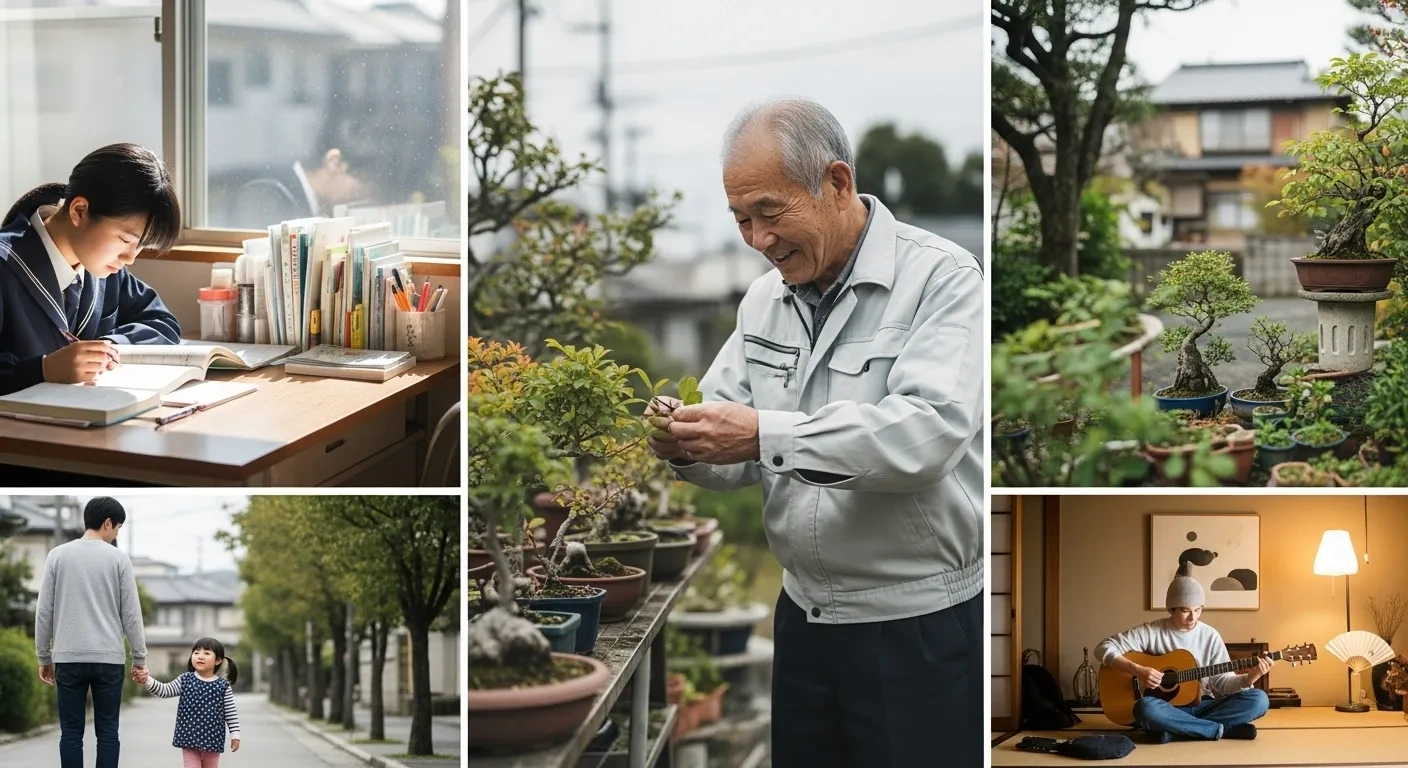
Ikigai looks different for each person. Based on our review of Japanese case studies and daily life examples, it often shows up in simple roles and routines.
-
Student
Studying a subject with care, improving a skill, and keeping a steady routine can give daily direction. -
Parent or caregiver
Supporting children or elders often brings a strong sense of value through responsibility and presence. -
Retiree
Gardening, joining local groups, or helping neighbors keeps life active and connected. -
Worker
Taking pride in doing one task properly, even a small one, can create quiet satisfaction. -
Hobbyist
Playing music, cooking meals, or creating art offers focus and joy without pressure. -
Volunteer or community helper
Helping others through local work or social groups reflects social ikigai. -
Pets and companionship
Caring for an animal gives structure, routine, and a feeling of being needed.
These examples show that ikigai often lives in everyday action, not in big achievements.
Conclusion
Ikigai is not a goal you chase or a title you earn. It is the quiet reason life feels worth living each day. Based on our research, ikigai grows through small joys, daily roles, and steady routines rooted in Japanese life. It can change over time, appear in more than one place, and exist without money, status, or recognition. When you understand what is ikigai, it becomes less about finding answers and more about paying attention to what already gives your life value.